Timber Framing & Garden rooms

Timber framing is at the heart of Cornwall Timber Construction

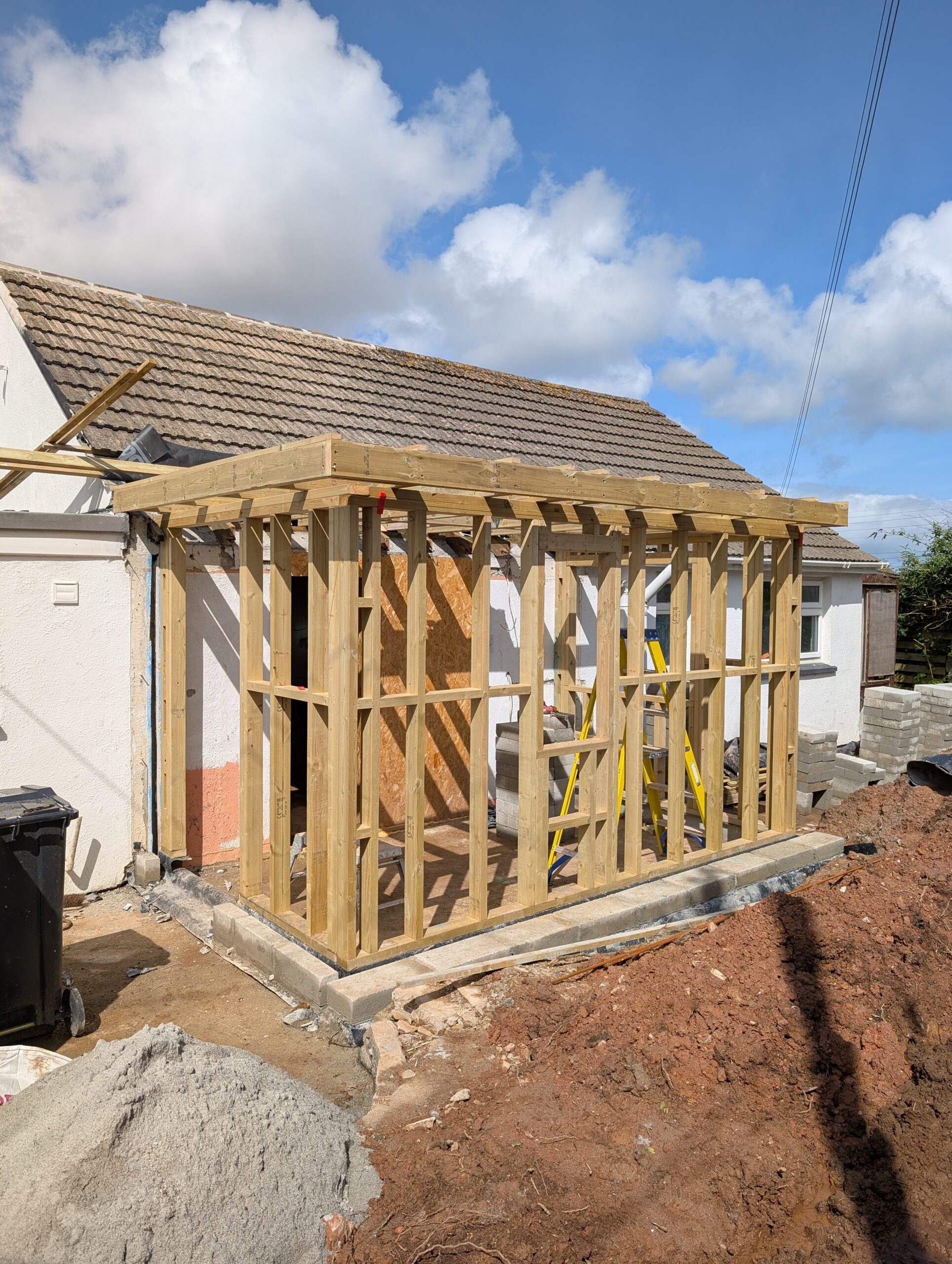
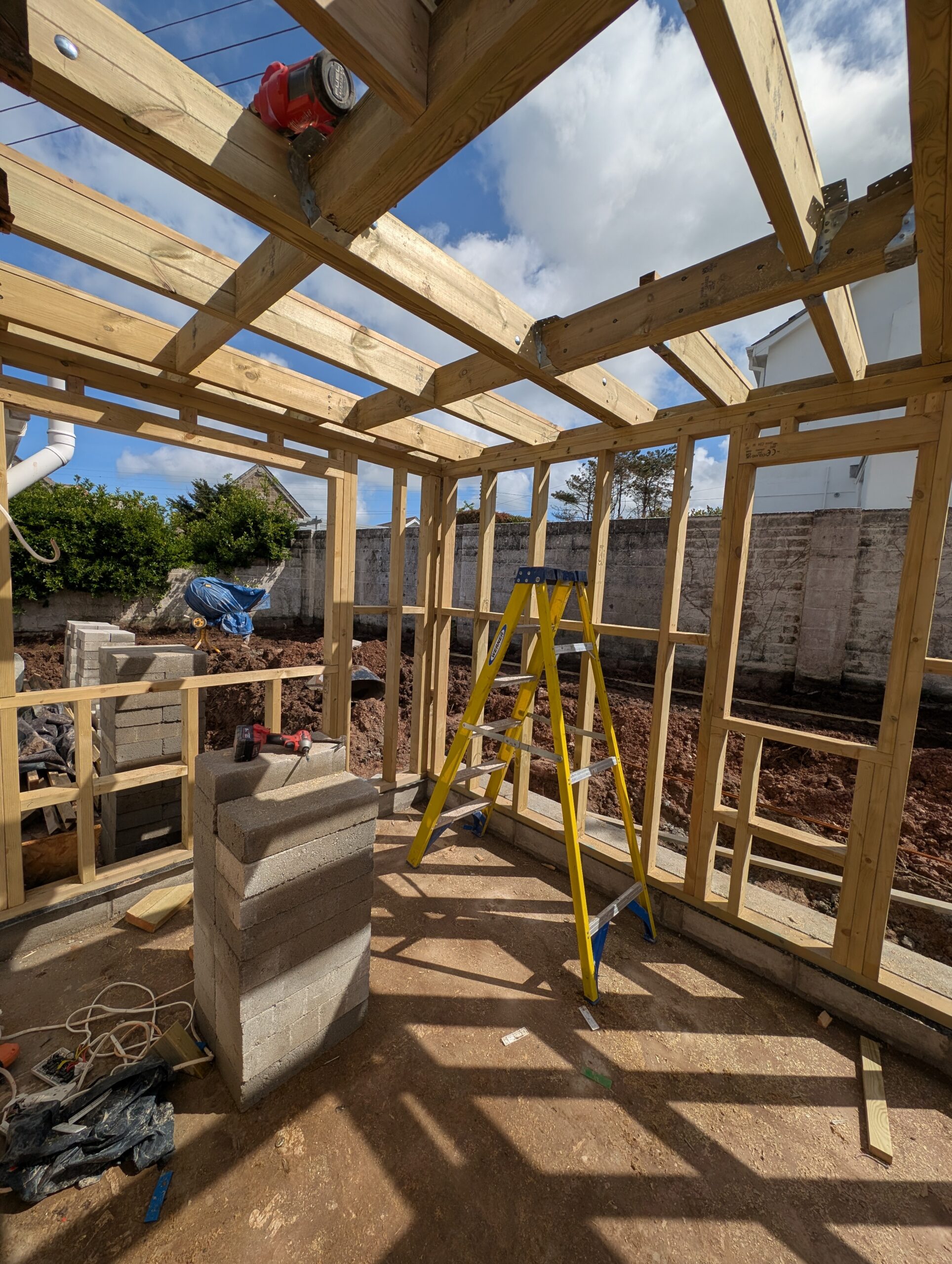
With extensive knowledge, qualifications, and hands-on experience, we pride ourselves on delivering fully managed, turnkey construction solutions throughout Cornwall. While timber framing is at the core of what we do, our service doesn’t stop there. We handle the entire process—from groundwork and structural framing to external finishes, roofing, insulation, plastering, and everything needed to hand over a complete, ready-to-use building. 

Fast, Modern & Built for Today’s Standards

Timber frame construction has undergone significant changes over the past few decades. What used to have a mixed reputation is now one of the most advanced, efficient and reliable ways to build in the UK. With engineered timber, modern membranes and ventilated build-ups, timber frame offers unmatched speed, thermal performance and long-term durability.

Why Timber Frame Is Faster


One of the biggest advantages of a timber frame is speed.
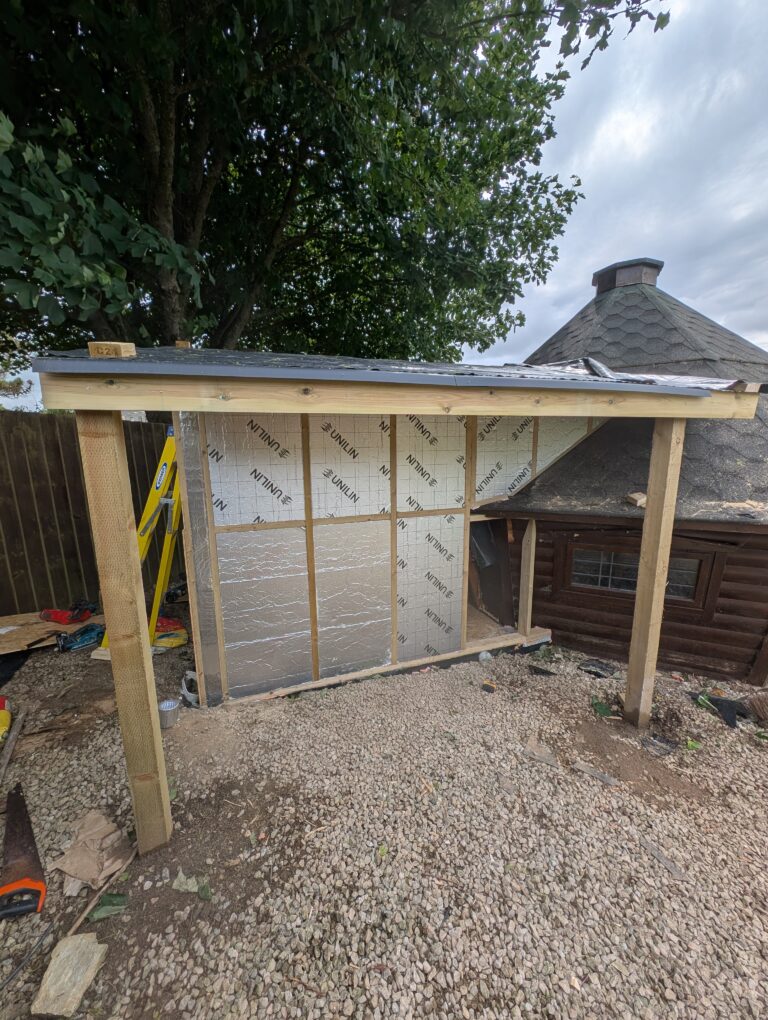
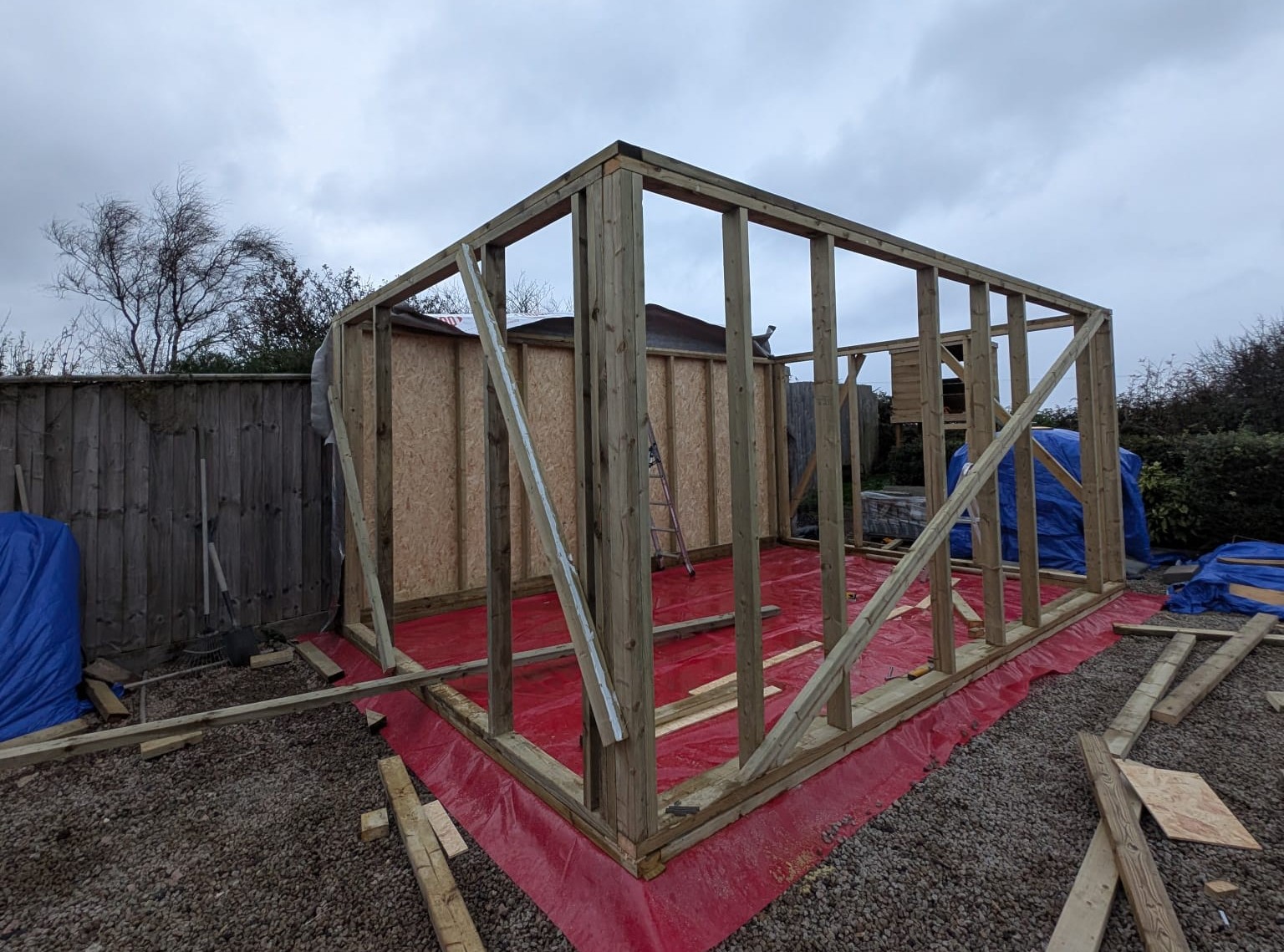
The structural frame can be erected quickly, allowing us to:

  • Get the roof on early

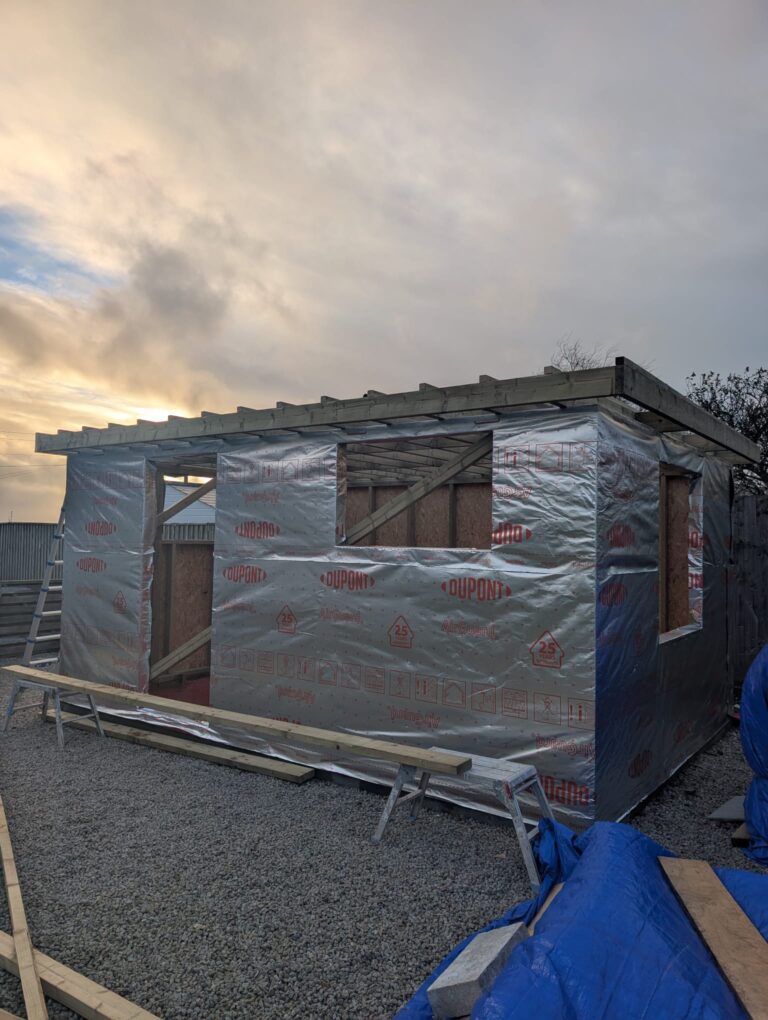
  • Have the structure Weather-tight fast

  • Begin first-fix work weeks or even months earlier

  • Keep the project moving regardless of the weather

    Because the frame seals the structure, internal trades can progress while external masonry is still being built.


Timber Frame structures with multiple options for the outer skin

Masonry 

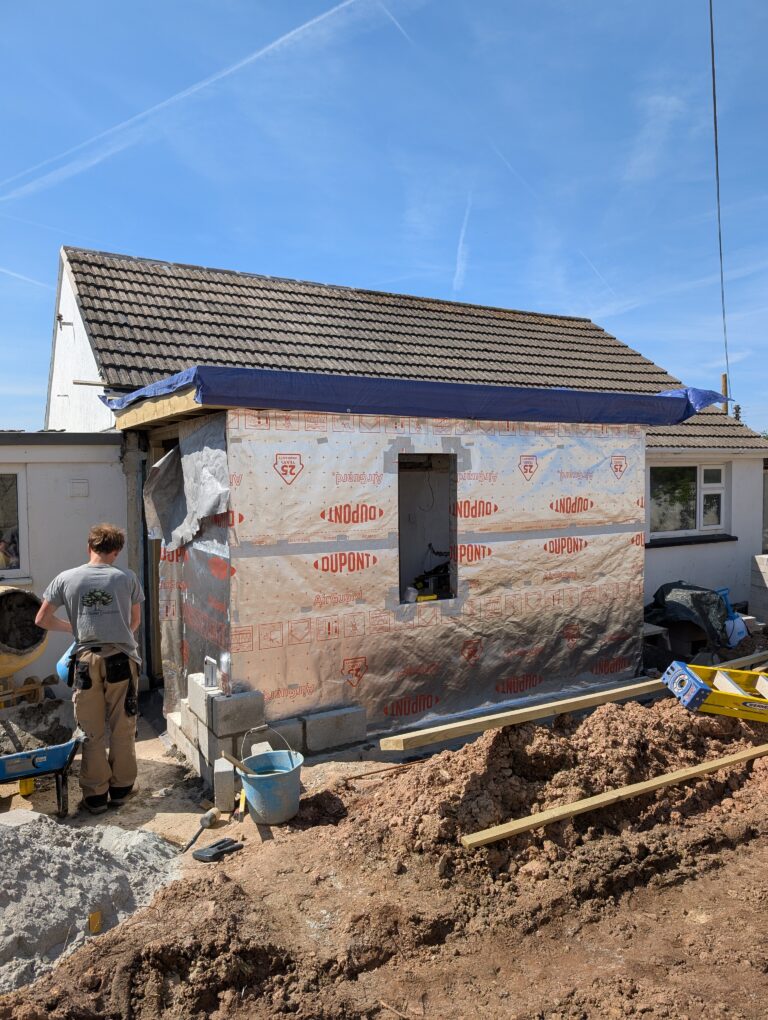
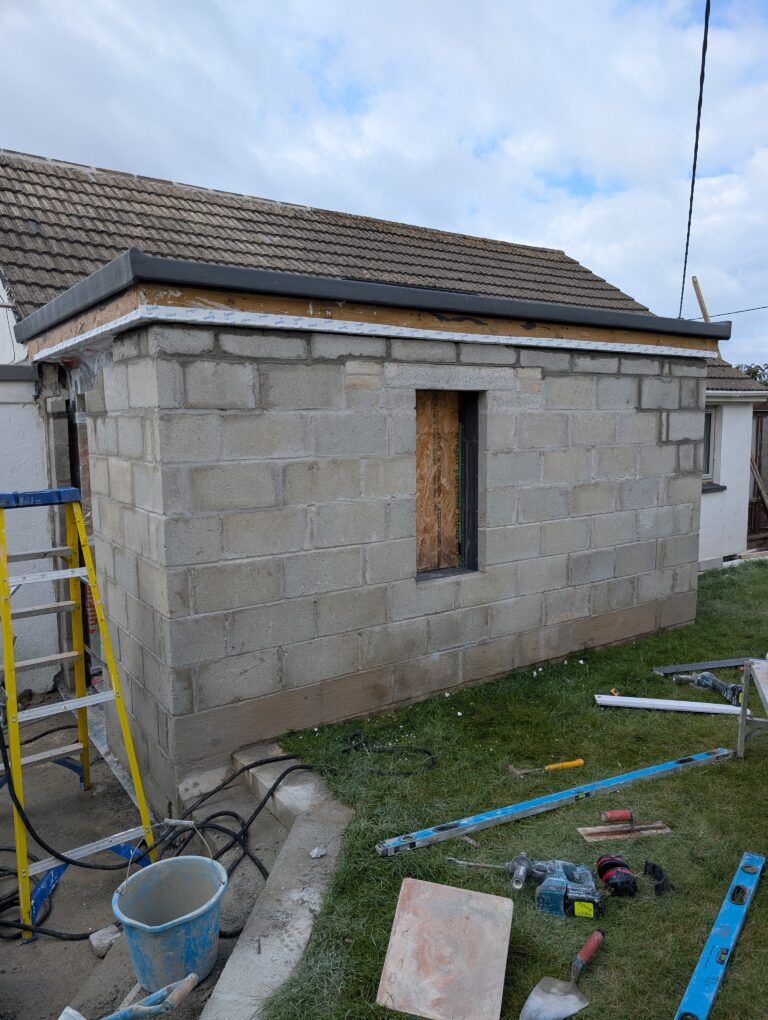
We can install a traditional blockwork outer skin with a rendered finish while maintaining a 50mm ventilated cavity between the masonry and the timber frame. This creates a non-loadbearing masonry barrier that protects the timber structure while still allowing the building to breathe.
We fix the blockwork back to the timber frame using stainless steel wall ties, screwed directly into the timber studs. These ties keep both elements working in unison while still allowing for natural movement between materials.

A major benefit of this build-up is the increase in internal floor space.
A typical traditional cavity wall uses around 100–150mm of cavity, which eats into the internal footprint.
With a timber frame system and a 50mm cavity, you can gain roughly 3–5% more internal floor area across the whole footprint of a standard-sized property.
For extensions and smaller buildings, the percentage gain can be even higher.

Because the timber frame is erected and made weather-tight first, we then have up to four months to install the external blockwork skin. This avoids delays, keeps the project on schedule, and gives clients far more flexibility with phasing and budgeting.

Cladding Options

A Wide Range of Finishes to Suit Any Design

One of the biggest advantages of timber frame construction is the flexibility in external finishes. Once the structural frame, membranes, and ventilated cavity are installed, you can choose from a wide range of cladding options—each offering its own style, maintenance level and performance benefits.

Composite Cladding

Composite cladding is a low-maintenance, long-lasting option available in a range of modern colours and textures.
Benefits include:

  • Extremely durable

  • UV stable

  • Doesn’t rot or warp

  • Minimal maintenance

  • Ideal for contemporary designs

uPVC Cladding

A cost-effective and maintenance-free solution.
uPVC cladding is:

  • Lightweight

  • Rot-resistant

  • Quick to install

  • Available in smooth or wood-grain finishes

  • Perfect for clients wanting a clean, crisp appearance with no upkeep

Natural Timber Cladding

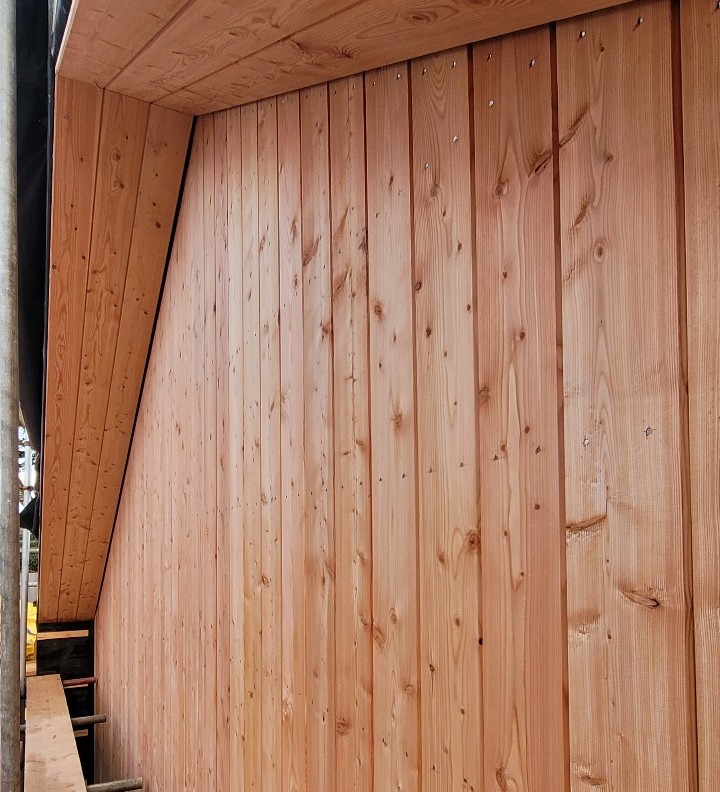
For a warm, organic look, natural timber is a timeless choice.
We work with:

  • Western Red Cedar

  • Siberian Larch

  • Thermowood

  • Accoya

These products age beautifully and suit both modern and traditional homes. With proper detailing and ventilation, timber cladding can last for decades.

Slate Cladding

Slate is becoming increasingly popular as a modern, hard-wearing cladding choice.
It offers:

  • Exceptional durability

  • A premium contemporary appearance

  • Great suitability for coastal and exposed locations

  • Fire and weather resistance

Slate can be installed horizontally or vertically, depending on the design.

2 WhatsApp Image 2025-12-06 at 15.34.40_57d741ab

Battens & Counter-Battens

Creating a Properly Ventilated Cavity

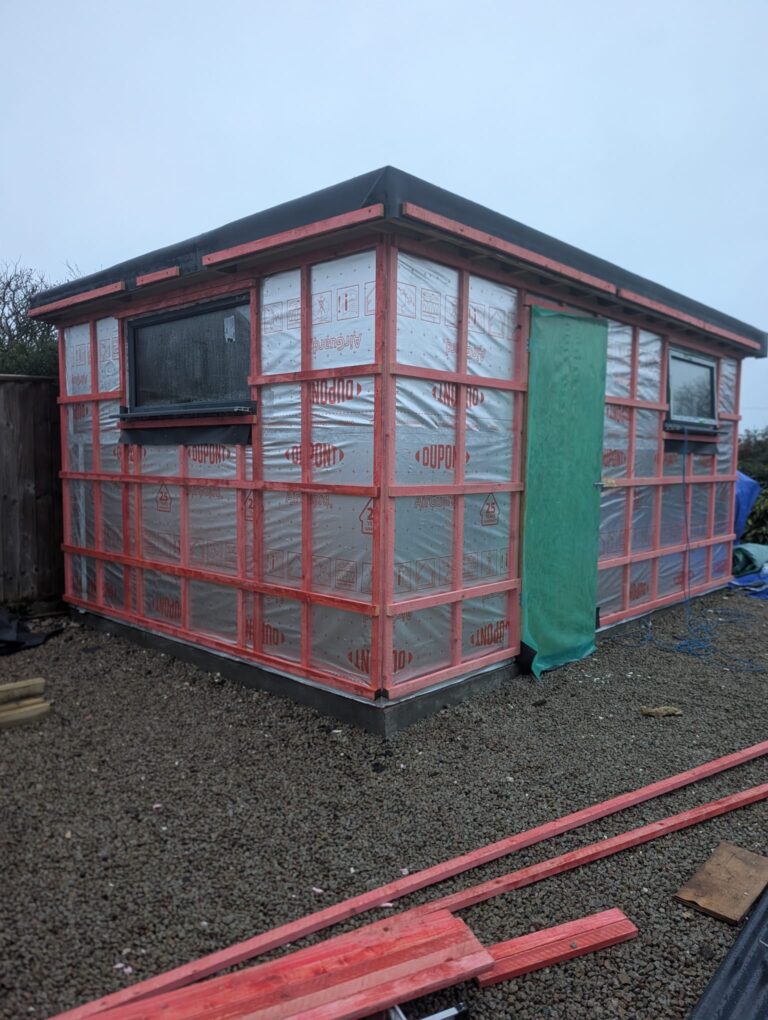
Regardless of cladding type, the performance of the wall depends on correct ventilation. We install a full batten and counter-batten system to create a dedicated airflow zone behind the cladding.

This system ensures:

  • Consistent air movement behind the external finish

  • Moisture can escape freely

  • Breather membranes perform properly

  • The timber frame stays dry and protected

  • Longer lifespan of cladding and structure

Many older timber frame issues came from a lack of ventilation. The modern batten/counter-batten method ensures the building can breathe exactly as intended.

Breaking the Old Reputation

Modern Timber Frame Is Nothing Like It Used to Be

Many of the concerns people have about timber frames come from old buildings with poor detailing and outdated insulation.
Today’s timber frame systems are:

  • Engineered with graded C24 timber

  • Designed by structural engineers

  • Built with precision

  • Protected by vapour control layers and breather membranes

  • Constructed to strict moisture-management standards

The problems from decades ago simply don’t apply to modern systems.

The Lack of Education Around Modern Insulation

Too Many People Think More Insulation = Better
But Without Ventilation, You Trap Moisture

As insulation standards have increased, many homeowners and even some tradespeople believe they should seal every part of the building to keep heat in.

But a home must be allowed to breathe.

Without airflow:

  • Moisture from cooking, showering, and living gets trapped

  • Condensation builds up in walls and roofs

  • Timbers and insulation become damp

  • Long-term issues develop

The key is controlled ventilation, not blocking everything off.


Cold Roof vs Warm Roof – Getting It Right

Warm Roof

A warm roof places insulation above the rafters, keeping the entire structure warm.
This allows:

  • Better moisture control

  • Reduced condensation risk

  • Improved overall performance

Cold Roof

A cold roof has insulation between the rafters and depends on ventilation above it.
If ventilation paths are blocked—which often happens when people “over-seal” a home—moisture gets trapped.

We design both systems properly, ensuring moisture has a safe escape route and the structure stays healthy.

Insulation Options

Choosing the Right System for Performance, Breathability & Comfort

Modern timber frame construction allows for a range of insulation types, each offering different advantages depending on the design, building regulations, and client preferences. We work with the three main systems used across the industry: PIR boardsRockwool/mineral wool, and foil-backed insulation.


PIR Insulation (Rigid Foam Boards)

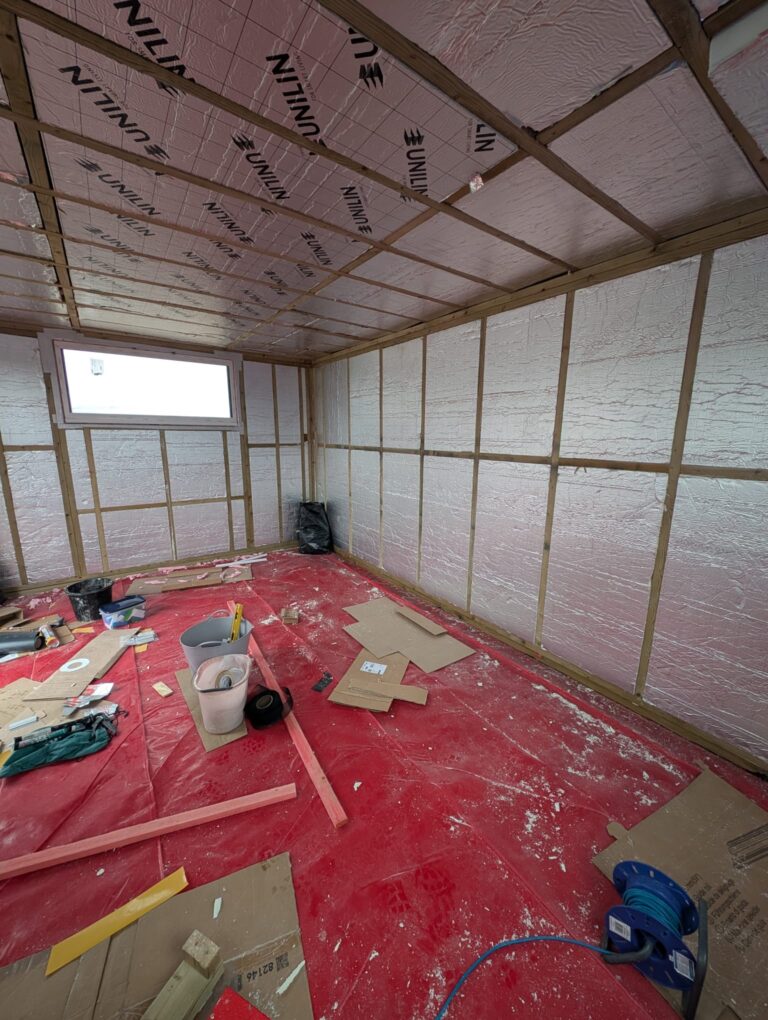
PIR (Polyisocyanurate) is one of the most thermally efficient insulation materials on the market.
Ideal for achieving high U-values with minimal thickness.

Benefits:

  • High thermal performance (excellent R-values per mm)

  • Saves internal space due to reduced thickness

  • Lightweight and easy to install

  • Works well in warm roofs and framed walls

  • Often used when hitting strict energy targets

Best used for:
Warm roof build-ups, sheathing layers, or walls where space is limited but performance is essential.


Rockwool / Mineral Wool Insulation

Rockwool is a breathable, fire-resistant, and sound-absorbing insulation made from spun stone fibres.
It’s often the best choice for moisture management and acoustic performance in timber frame buildings.

Benefits:

  • Highly breathable (reduces the risk of trapped moisture)

  • Excellent fire resistance

  • Outstanding soundproofing

  • Fills studs fully, reducing gaps

  • More forgiving around services and awkward areas

Best used for:
Internal and external timber frame walls, cold roofs, floors, and areas where fire and acoustic improvements are priorities.


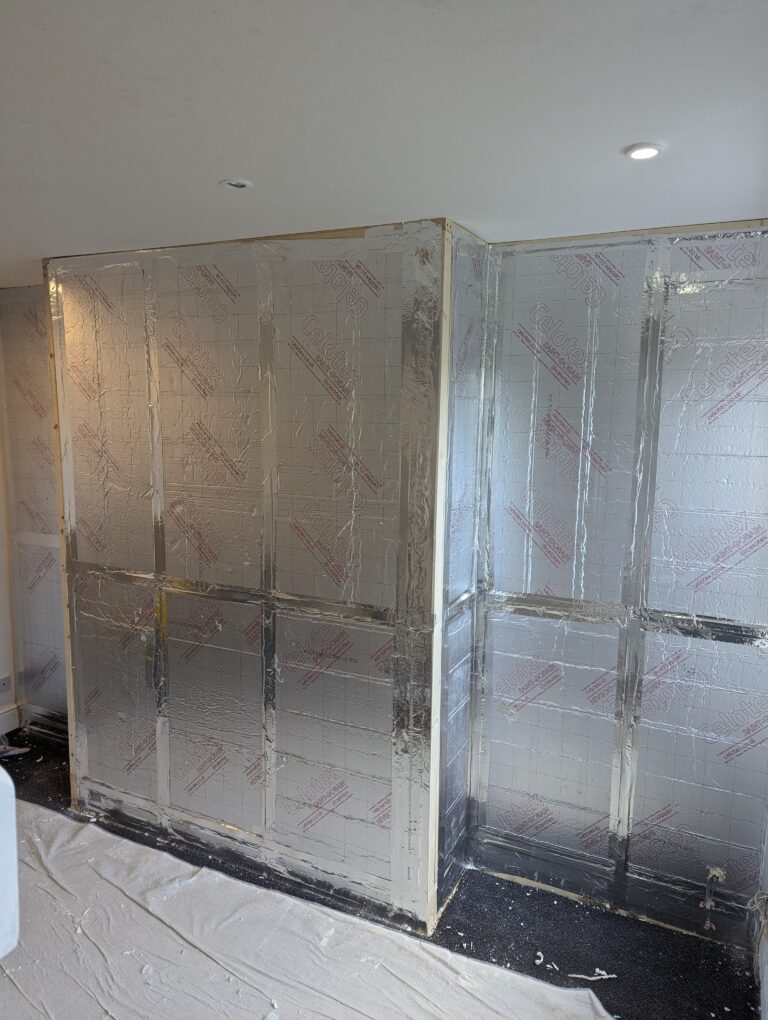
Foil-Backed Insulation Systems

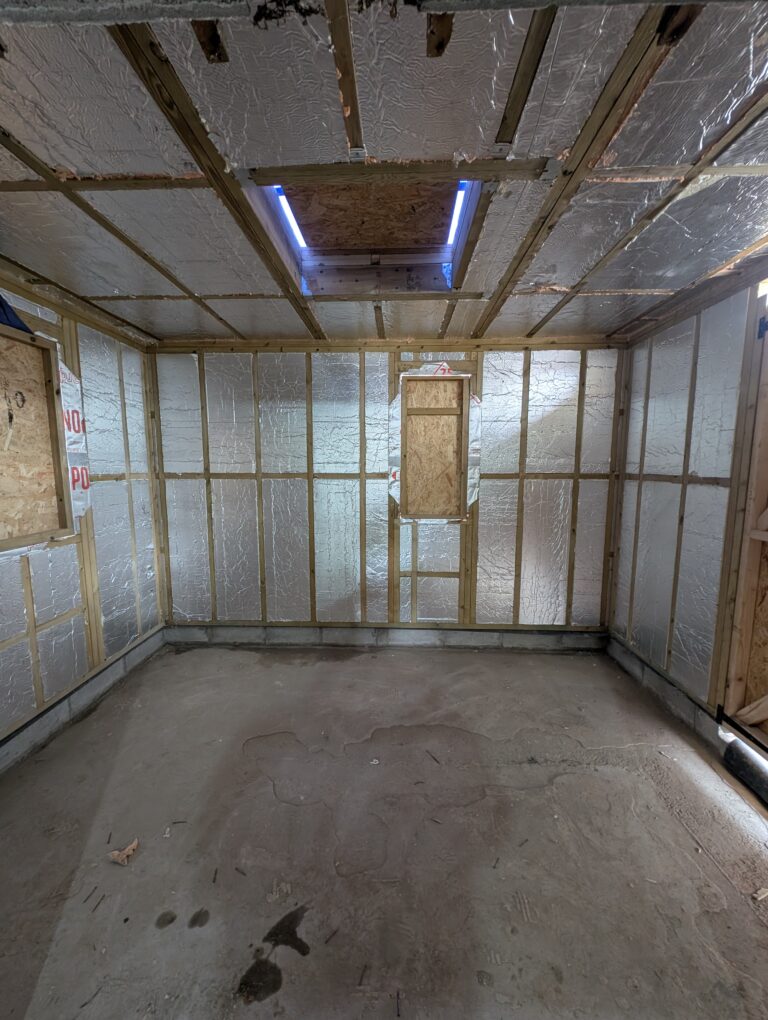
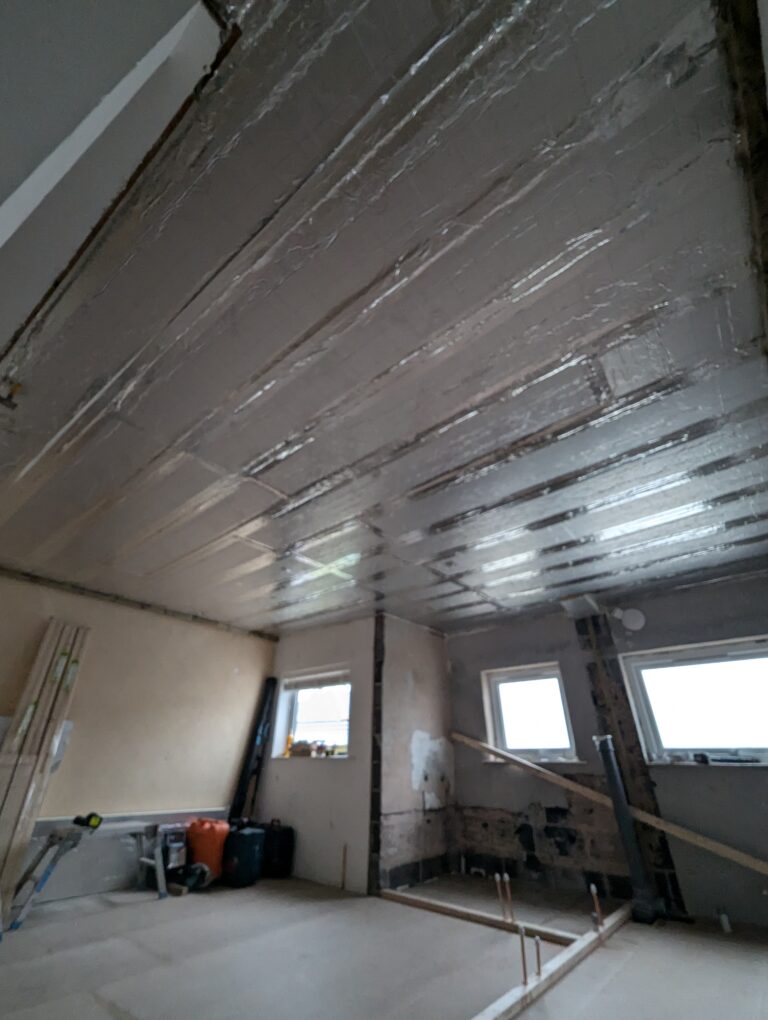
Foil-faced insulation works by reflecting radiant heat and improving airtightness when installed correctly. These systems often combine a lightweight core with reflective foil layers on both sides.

Benefits:

  • Enhances thermal performance when used with air gaps

  • Helps improve airtightness

  • Lightweight and easy to fix

  • Can complement other insulation types

Best used for:
Over-stud layers, warm roofs, and hybrid build-ups requiring reflective performance or vapour control.


Choosing the Right Insulation

Every project is different, and the correct insulation depends on:

  • Required U-values

  • Whether the roof is warm or cold

  • Ventilation strategy

  • Moisture control needs

  • Acoustic requirements

  • Internal space constraints

  • Budget


We design insulation layers to work with your chosen wall build-up, vapour control strategy, and ventilation system—ensuring the building stays warm, breathable, and protected for the long term.

The Big Picture

Energy Efficient • Fast to Build • Built to Last

Modern timber frame construction offers a complete, turnkey solution that combines speed, performance, and durability. Cornwall Timber Construction delivers:

  • Faster build times – get your project weather-tight and ready for internal work sooner

  • Higher thermal performance – excellent insulation and airtightness for energy-efficient buildings

  • Early weather protection – safeguard the structure and internal works from the elements

  • Safe moisture management – ventilated walls and roof systems reduce condensation risk

  • Proven long-term durability – engineered timber frames built to last

  • Flexibility with finishes – from blockwork and render to timber, composite, slate, or uPVC cladding

This is the future of building: fast, efficient, and engineered for today’s environment.


Lifespan & Durability of External Finishes

Timber frame buildings are designed to last, but the lifespan of the external finish depends on the material, maintenance, and exposure. Typical lifespans include:

  • Blockwork with Render: 50+ years – low maintenance, excellent weather protection, fire resistant

  • Natural Timber Cladding: 20–40 years – durable, weather-resistant, occasional treatment required

  • Composite Cladding: 25–50 years – low maintenance, resistant to rot, warping, and UV damage

  • uPVC Cladding: 25–40 years – minimal upkeep, weather-resistant, fade-resistant

  • Slate Cladding: 75+ years – extremely durable, weatherproof, ideal for coastal sites

Proven Durability in Europe:
Many timber-framed buildings in Scandinavia and across Europe are 100–200+ years old, even in harsh climates with heavy rain and freezing temperatures. These structures demonstrate that, when designed correctly with ventilated cavities and protective membranes, timber frame is highly durable, resilient, and built to last generations.

Lifespan depends on proper installation, detailing, ventilation, and routine maintenance. Modern methods ensure your building performs efficiently and remains protected for decades.


About Us

Timber framing is our bread and butter – it’s what we do every day and love most. We specialise in sizeable, long-term projects with real visual impact, where precision and structural quality truly matter.

At Cornwall Timber Construction, timber framing is a craft: precision, care, and attention to detail form the foundation of everything we build.

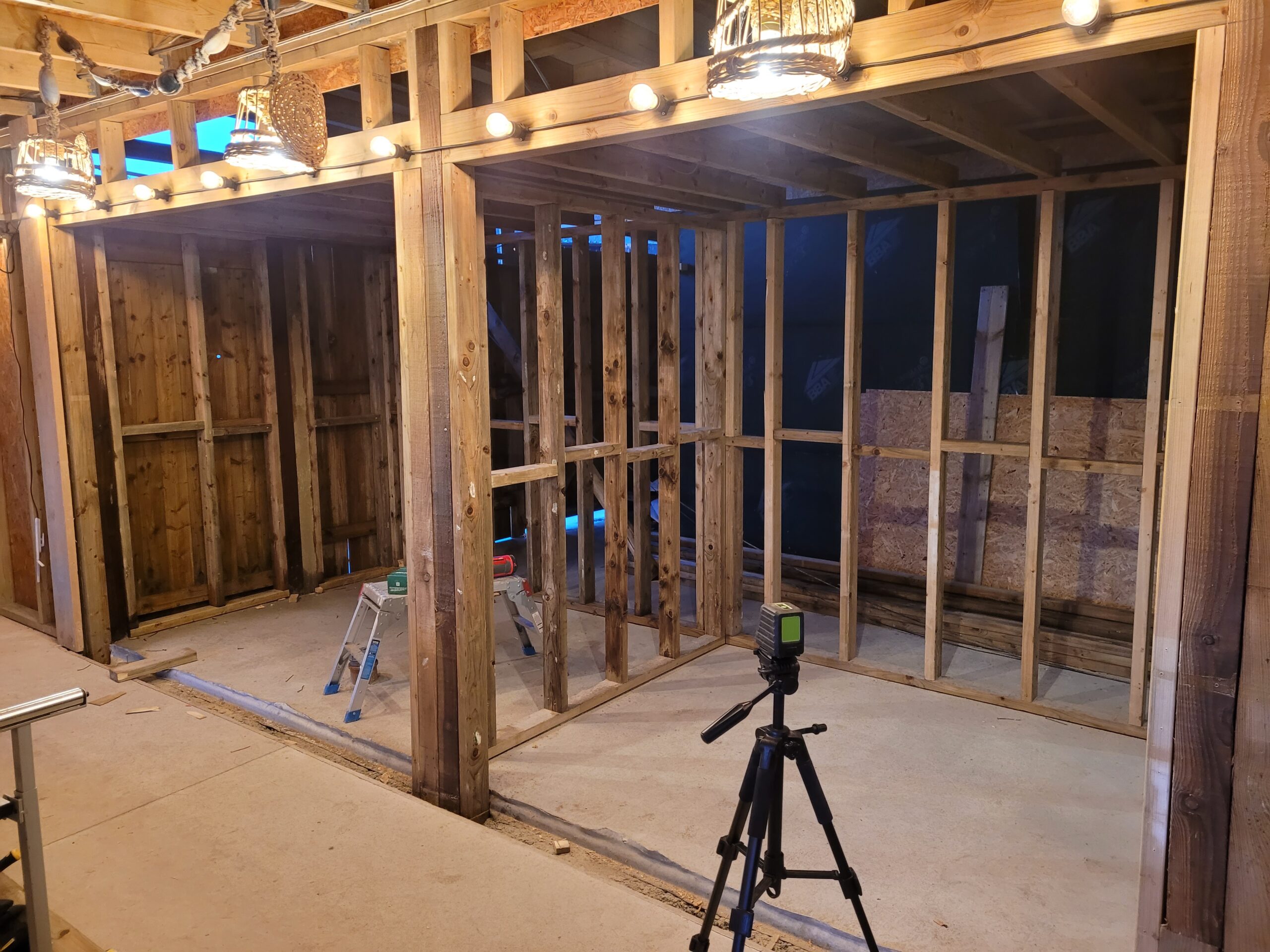
We use advanced techniques and modern tools to ensure every project meets the highest standards of strength, durability, and finish. Laser levels guarantee every frame is perfectly true, square, and plumb, improving long-term performance and appearance.

For us, it’s not just about building – it’s about building properly. Every joint, fixing, and line matters. We take pride in delivering timber structures that are fully engineered, carefully detailed, and finished to the highest possible standard, providing clients with a complete turnkey solution.

Embracing Sustainability: The Future of Timber Frame Construction

Timber frame construction isn’t just fast and efficient – it’s green, responsible, and built for the future.

Lower Carbon Footprint

Timber acts as a natural carbon sink, storing CO₂ absorbed during growth. Compared to steel and concrete, timber dramatically reduces emissions:

  • Steel: 7–9% of global CO₂ emissions

  • Concrete: ~8% of global CO₂ emissions

Continuous Carbon Capture

Even after construction, the timber frame locks in carbon, helping mitigate climate change and reduce the overall environmental impact of your building.

Energy Efficient & Cost Effective

Timber requires less energy to produce and construct than steel or concrete. This means lower resource use and reduced operational costs for clients over the building’s lifetime.

Waste Reduction & Circular Economy

Our approach minimises waste on-site and during manufacturing. Timber offcuts and by-products are often recyclable or reusable, supporting a circular economy and sustainable construction practices.

Responsible Sourcing

We source timber responsibly, promoting sustainable forestry and supporting local economies. Our projects benefit both clients and communities, creating a positive environmental impact.

Leading by Example

By prioritising timber frame construction, we set a standard for environmentally conscious building. Our aim is to lead the construction industry with greener practices, improved building performance, and long-term sustainability.

At Cornwall Timber Construction, we deliver high-quality, sustainable, turnkey solutions that combine expert craftsmanship with environmental responsibility. Contact us to learn how our timber frame expertise can benefit your project while contributing to a greener, more sustainable future.

Why Choose Us?

Local Cornwall Experts

We know Cornwall like the back of our hand, ensuring you get the best insights.

Personalized Service

Your goals are our goals, and we're here to make them happen.

Integrity and Trust

We build lasting relationships based on transparency and trust. We are only use the very best and locally sourced materials.

Community Focused

Proud to be part of the Cornish community, we support its growth and well-being.