How Savvy Cornwall Homeowners Are Using Garden Rooms with a Shower and Toilet to Skyrocket Their Property Value
In the picturesque landscape of Cornwall, where coastal living meets rural charm, homeowners are constantly seeking ways to maximize their living space without the upheaval of a traditional extension. The trend is shifting away from simple storage sheds or basic summer houses. Today, the smartest investment in the South West property market is the installation of fully functional, self-contained living spaces. Specifically, we are seeing a surge in demand for high-spec garden structures equipped with full amenities.
The Evolution of Garden Rooms: From Storage to Sanctuary
For decades, the concept of Garden Rooms was limited to a dry place to store the lawnmower or, at best, a glorified reading nook used only during the height of summer. However, the post-pandemic landscape has fundamentally altered how we view our homes. The rise of remote work and the “race for space” has turned the humble garden building into a critical asset. But here is the differentiator: plumbing.
Adding a bathroom suite transforms a timber outbuilding from a temporary workspace into a permanent, habitable extension of the home. Imagine returning from a surf at Polzeath or a muddy hike on Bodmin Moor. Instead of trailing sand and dirt through the main house, you utilize the garden room’s shower facilities. This utility alone changes the lifestyle dynamics of a property.
To use an analogy, consider the difference between a standard economy flight and a private jet. Both will get you to your destination (in this case, providing extra space), but one offers a cramped, temporary solution, while the other provides a fully equipped, luxurious experience that you never want to leave. A garden room without facilities is just a room; a garden room with a shower and toilet is a residence.
Furthermore, this upgrade opens the door to multi-functional usage that a dry room simply cannot support. It becomes a viable guest suite for visiting family, an independent living space for a returning university student, or a high-end home gym where you can shower immediately after a workout. By integrating these facilities, Cornwall homeowners are effectively adding square footage to their floor plan that is valued almost as highly as the main dwelling. According to data from Homebuilding & Renovating, adding a self-contained annex can add up to 20-30% to a property’s value, provided it is executed to a high standard.
Breaking Down the Investment: The Cost of Garden Room with Shower and Toilet
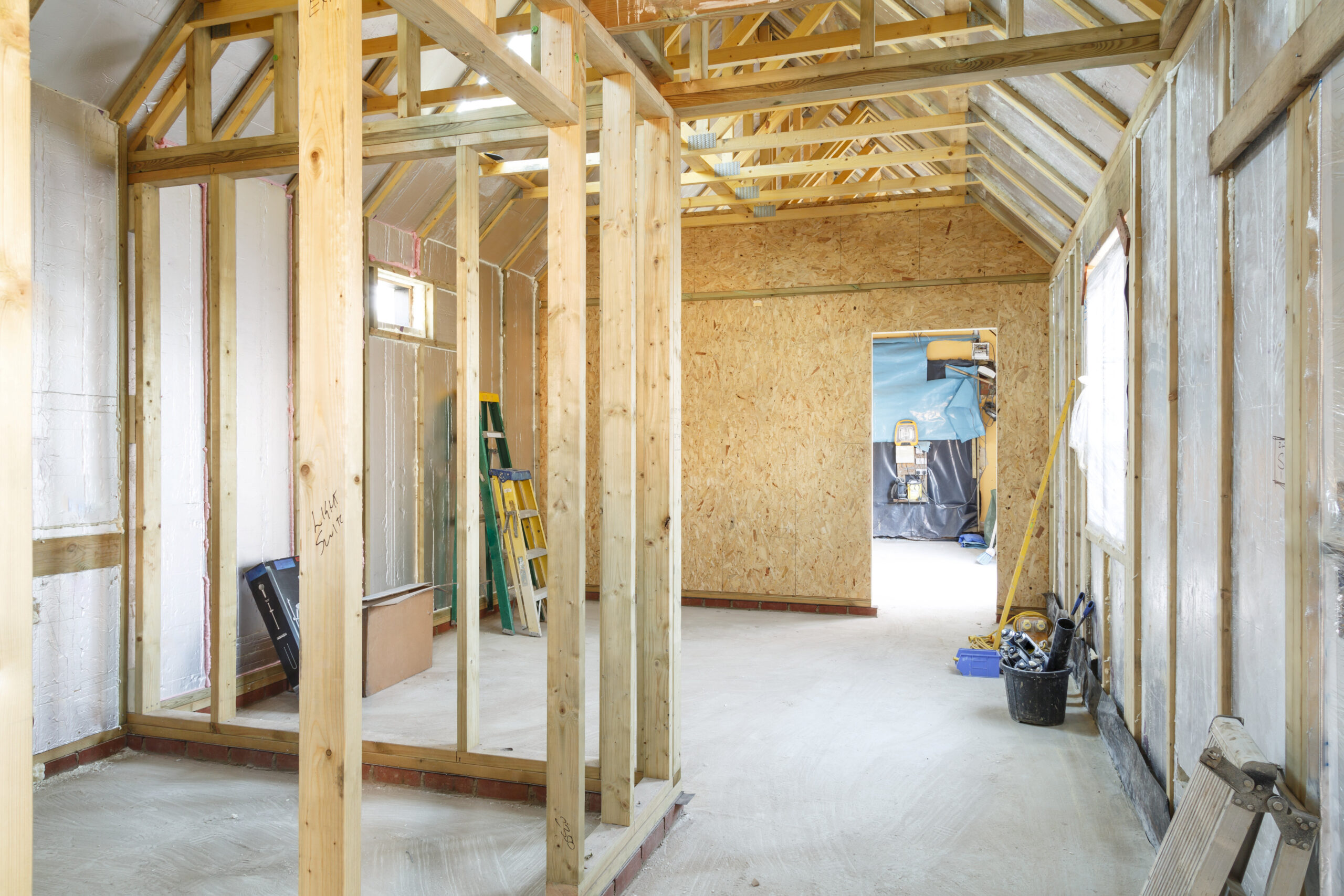
When considering this upgrade, the most pressing question for any homeowner is the financial commitment. It is crucial to be realistic: plumbing a garden building involves significantly more engineering than erecting a basic timber shell. When calculating the cost of garden room with shower and toilet, you are not just paying for the structure; you are paying for groundworks, water connections, and adherence to strict building regulations.
In the current market, a basic insulated garden room might start around £15,000. However, once you introduce a bathroom suite, the price bracket shifts. You are looking at a starting point closer to £25,000 to £30,000 for a compact model, with high-end, bespoke designs in Cornwall often ranging between £35,000 and £50,000+. This price variance is dictated by several factors:
Groundworks and Trenching: Unlike a dry room, a plumbed room needs a connection to the mains water and sewerage. In Cornwall’s rocky terrain, excavating trenches for pipes can be labor-intensive. If your garden room is located far from the main house or the street sewer, the cost increases.
Waste Management Systems: If a gravity-fed connection to the main sewer isn’t possible due to the gradient of your garden, you may need to install a macerator pump (Saniflo system) or a dedicated sewage treatment plant. A macerator can chop waste and pump it uphill to the main drain, which is a cost-effective solution but requires electrical work and specific maintenance.
Internal Fixtures and Finishes: The cost of garden room with shower and toilet is also heavily influenced by your taste in interiors. Are you installing a basic electric shower and a white ceramic suite, or are you looking for a wet room with slate tiling, underfloor heating, and a rainfall showerhead? The “transactional” nature of this build means you get what you pay for; higher specs yield higher rental or resale value later.
Hot Water Systems: You will need a reliable source of hot water. Most garden rooms utilize rapid-heat electric water heaters or small unvented cylinders. Connecting to the main house’s boiler is rarely efficient due to heat loss over the distance.
While the upfront capital required is higher than a standard office, the Return on Investment (ROI) is distinctly different. You are essentially building a micro-house. When you compare this to the cost of a traditional brick-and-mortar extension—which often exceeds £2,000 per square meter plus architect fees—the garden room remains a highly cost-effective method of adding plumbing and habitable space to your property.
Navigating Regulations: When a Shed Becomes a Dwelling
One of the most critical aspects of installing Garden Rooms with plumbing is navigating the regulatory landscape. Many homeowners are attracted to garden buildings because they often fall under “Permitted Development,” meaning planning permission is not required. However, the moment you install a toilet and shower, the game changes.
Local planning authorities, particularly in conservation areas like parts of Cornwall, view a garden building with plumbing as potential “ancillary accommodation.” If the building is capable of being used as a self-contained living unit (sleeping and washing), it will almost certainly require Planning Permission. This is not a hurdle to fear, but a process to manage. A professional build team can help draft the necessary scale drawings and location plans to satisfy the council that the building is an incidental annex to the main house, not a separate new dwelling to be sold off.
Moreover, the installation of plumbing triggers the need for Building Regulations approval. While a simple summer house is exempt from most building regs, a room with a toilet must comply with specific parts of the UK Building Regulations, specifically:
Part G (Sanitation, hot water safety, and water efficiency): Ensuring waste is disposed of safely.
Part P (Electrical safety): Essential for electric showers and pumps.
Part L (Conservation of fuel and power): If the room is to be habitable year-round, it must meet insulation standards.
According to the Planning Portal, the UK government’s online planning and building regulations resource, any detached building containing sleeping accommodation or that is over 30 square meters in floor area requires Building Regulations approval. Ignoring this step can be disastrous for future property sales, as solicitors will demand certificates of compliance. By ensuring your build is fully compliant, you are securing the asset’s value. A compliant, plumbed garden room is a legal asset; a non-compliant one is a liability.
Future-Proofing and Revenue: The Airbnb and Annexe Potential
Looking ahead, the installation of a garden room with amenities is more than just a home improvement project; it is a strategic financial move. The housing market is evolving, and two major trends are dominating the forecast: multi-generational living and the short-term rental market.
Cornwall is one of the UK’s premier tourist destinations. A high-quality garden room with a shower and toilet creates an immediate opportunity for income generation via platforms like Airbnb. Unlike a spare bedroom in the main house, a detached garden suite offers guests privacy and autonomy, commanding a significantly higher nightly rate. For homeowners in coastal towns or near major attractions like the Eden Project, the cost of garden room with shower and toilet can often be recouped within 2 to 3 years through holiday let income alone.
Beyond tourism, we must look at the demographic shift toward multi-generational living. As property prices continue to rise, preventing younger generations from buying and older generations from downsizing comfortably, the “Granny Annexe” is becoming a staple of modern family life. A garden room equipped with hygiene facilities provides a dignified, independent space for an aging parent or an adult child saving for a deposit.
Future Forecast: We predict that within the next decade, properties with self-contained garden annexes will become the “gold standard” in the Cornish real estate market. Just as a driveway or a central heating system became expected standard features in the 20th century, the flexible, plumbed garden studio will be the expected standard for the 21st-century flexible family.
By acting now and investing in a structure that offers independence through plumbing and sanitation, you are not just building a room; you are future-proofing your property’s marketability and securing a flexible asset that can adapt to the changing needs of your family or your bank balance.
Ready to transform your property? Explore our bespoke solutions for Garden Rooms and discover how we can help you navigate the design, planning, and construction of your ideal garden annex.